The Complete Resource for Millets — India and the World
Crop science, nutrition, global production and trade, processing economics, and government schemes — one reference for everyone working with millets, from farm to factory to export container.
Start with the millet encyclopedia →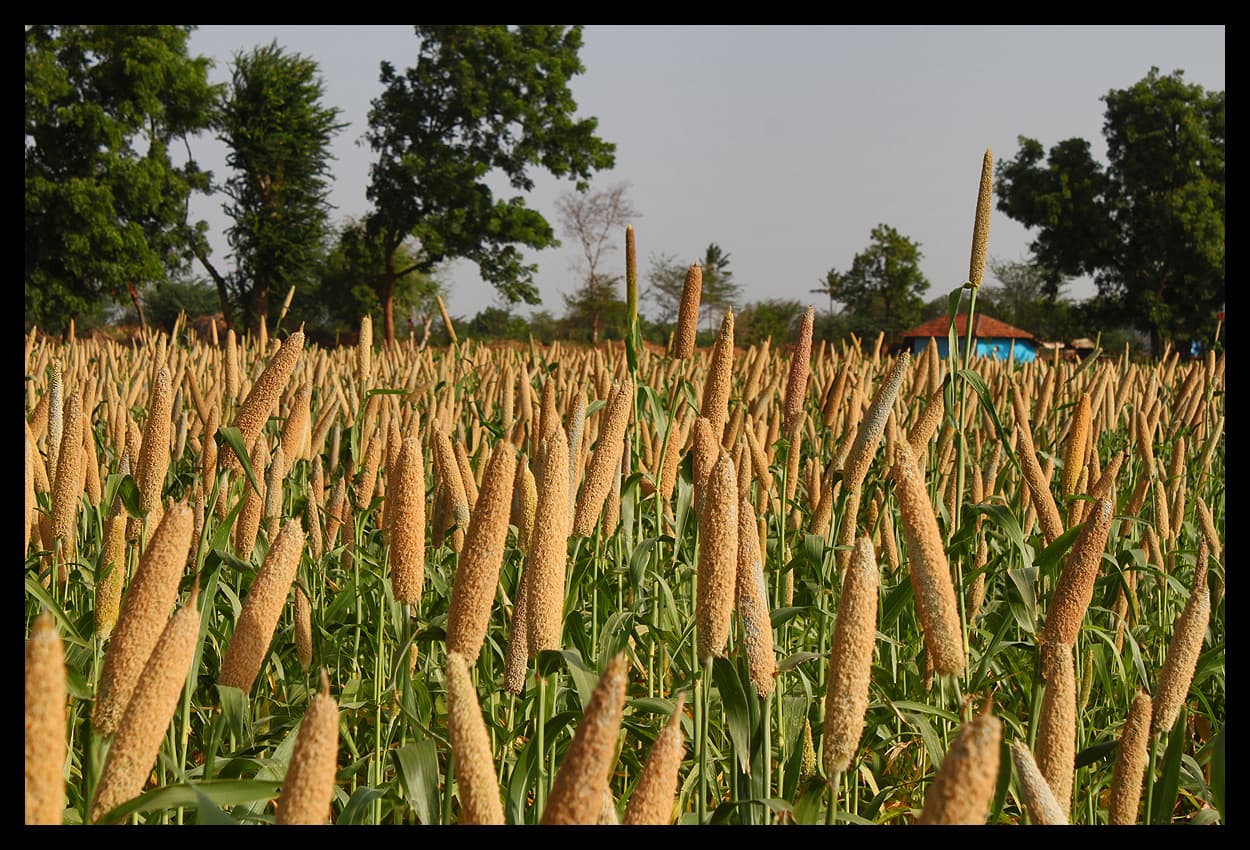
Latest Coverage
 Industry
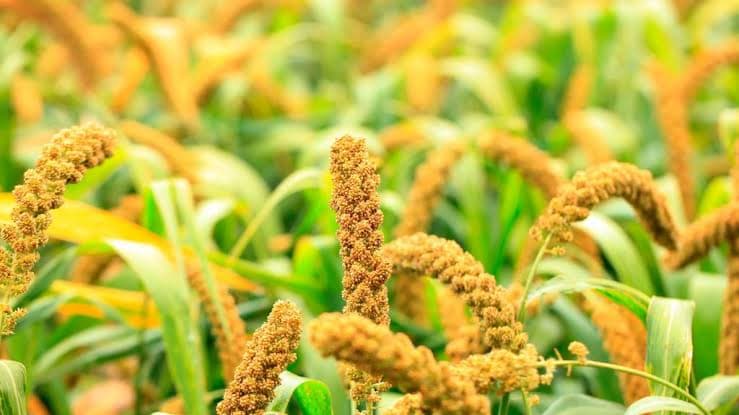
India's Millet Output Hits 18.59 Million Tonnes in FY25
Rajasthan leads India's Shree Anna production as national output touches 18.59 million tonnes, while exports this fiscal reach 138.69 thousand MT worth ₹543.40 crore.
 Industry
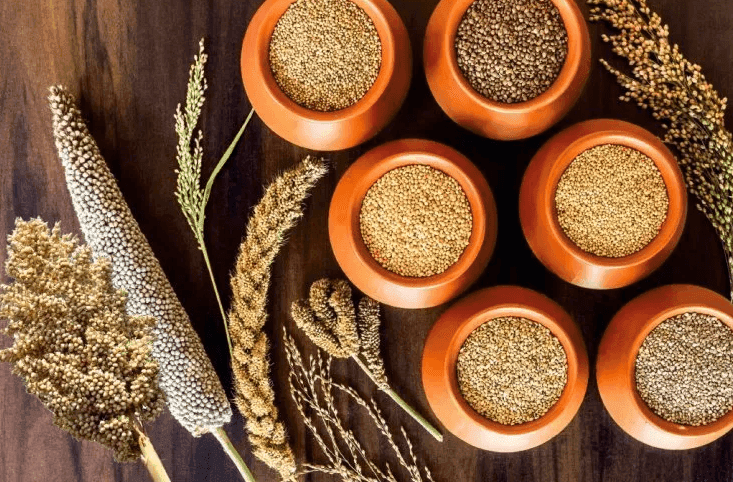
Why Millets Are Gaining Ground in Modern Agriculture
As climate change and water scarcity reshape farming, millets are re-emerging as a low-cost, low-risk crop offering both sustainability and income potential for farmers.
 Policy & Schemes
Andhra's SERP Millet Cart Push Trains 400 Women Entrepreneurs
A women-led millet enterprise initiative under Andhra Pradesh's NRLM Lakhpati Didi programme has trained roughly 400 women across 15 districts, backed by mobile millet carts and market-linkage support.
 Equipment Guide
De-Husking Equipment for Millets: A Buyer's Guide
The de-husker is the one machine every millet processing line needs — and the one most first-time buyers get wrong. Here's what actually determines the right spec.
The Nine Millets of India
Three major crops and six minor millets — every variety India cultivates at scale, one page each.
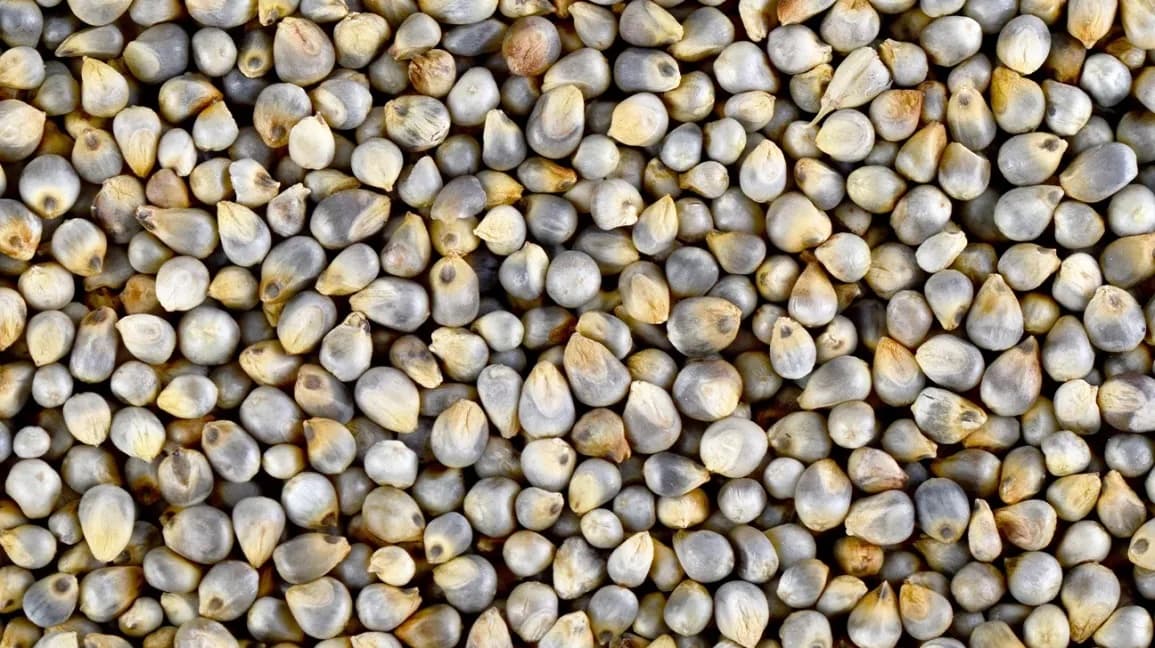
Pearl Millet Bajra
Pennisetum glaucum
India's largest millet crop by area; thrives in the arid, low-rainfall tracts of Rajasthan and Gujarat.
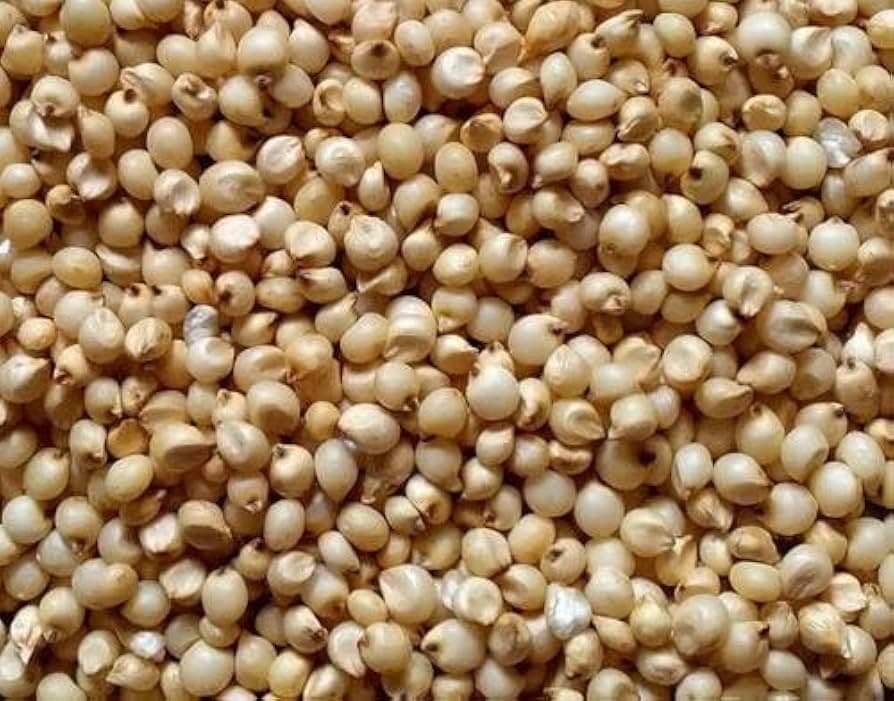
Sorghum Jowar
Sorghum bicolor
Grown across the Deccan plateau as both a food and fodder crop — India's second-largest millet by production.
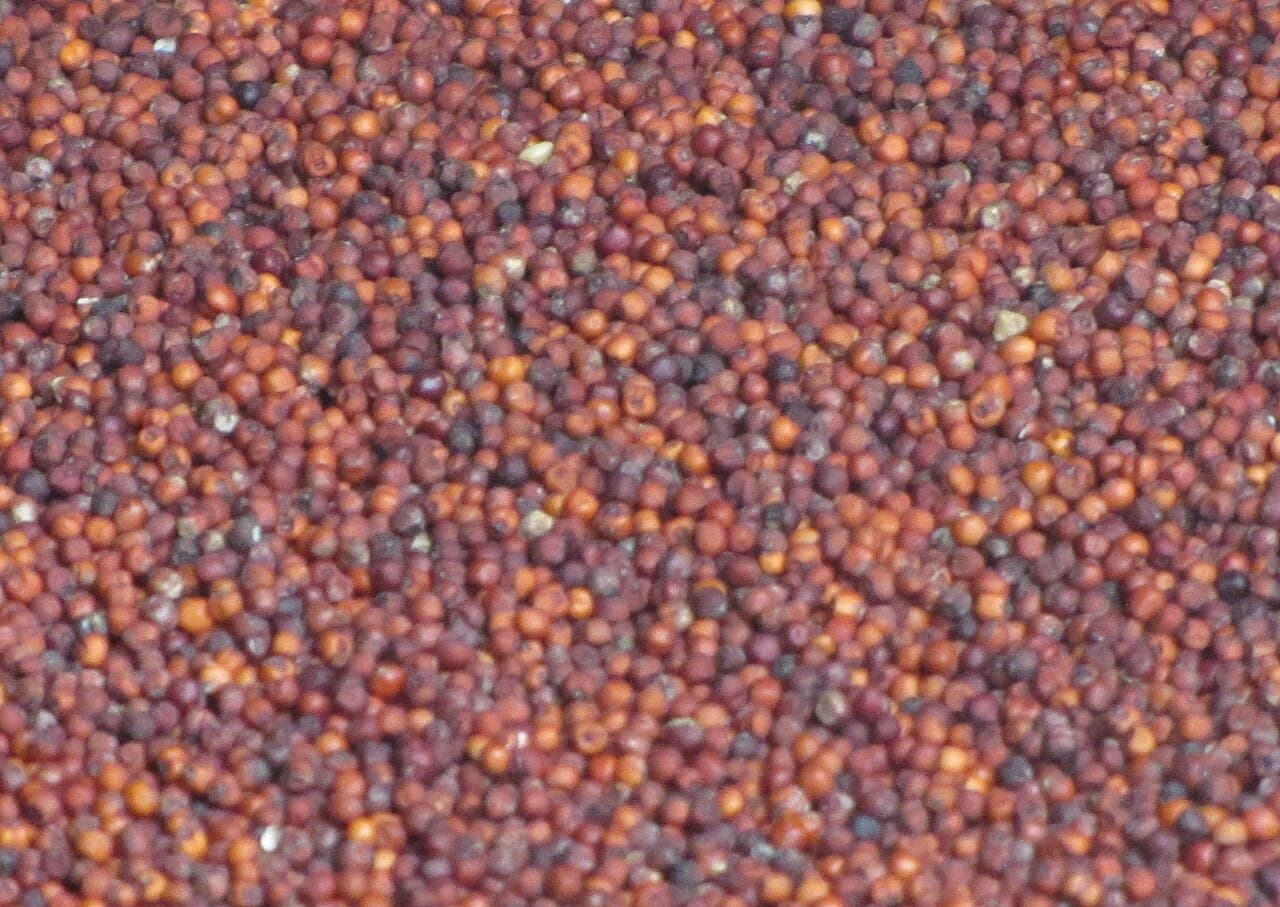
Finger Millet Ragi
Eleusine coracana
Exceptionally calcium-rich; Karnataka alone accounts for the majority of India's ragi output.
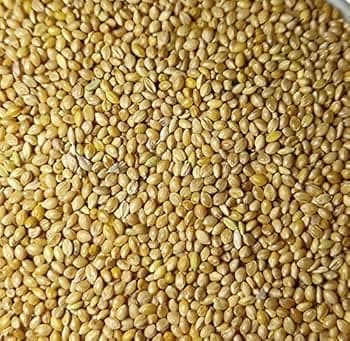
Foxtail Millet Kangni
Setaria italica
One of the earliest cereals domesticated in Asia; a short-duration crop suited to dryland rotation.
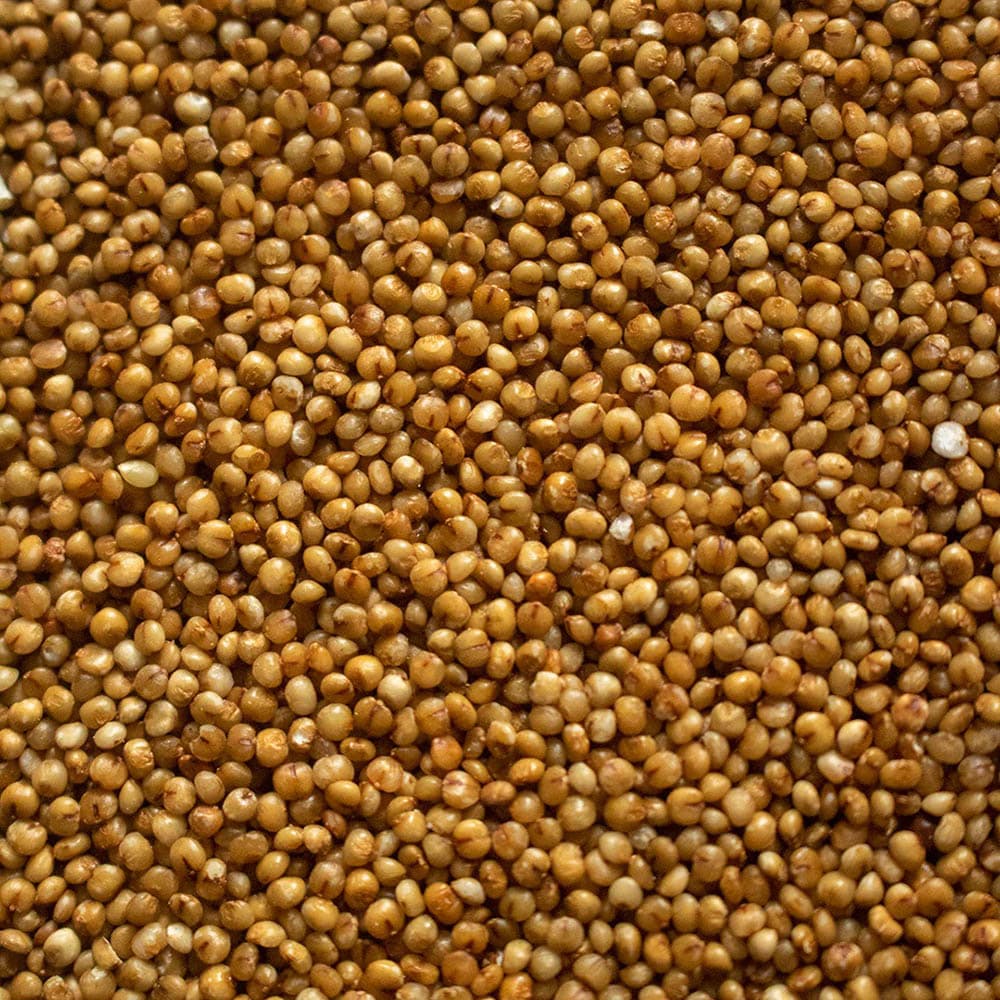
Kodo Millet Kodon
Paspalum scrobiculatum
Highly drought-tolerant, grown widely across Madhya Pradesh, Chhattisgarh, and the Eastern Ghats.
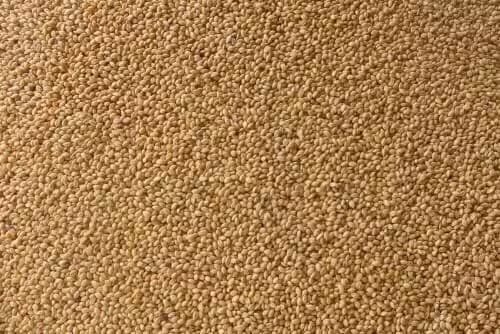
Little Millet Kutki / Samai
Panicum sumatrense
A minor millet with a very short growing cycle, common in tribal-belt intercropping systems.
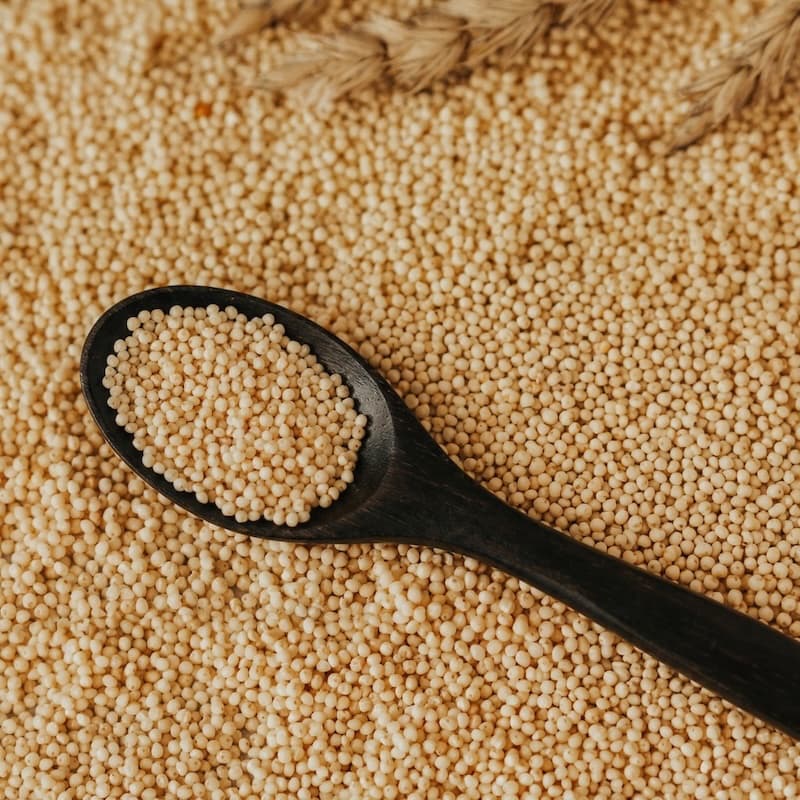
Barnyard Millet Sanwa / Jhangora
Echinochloa frumentacea
The fastest-maturing of all cereals — ready in as little as six weeks; a popular fasting-day grain.
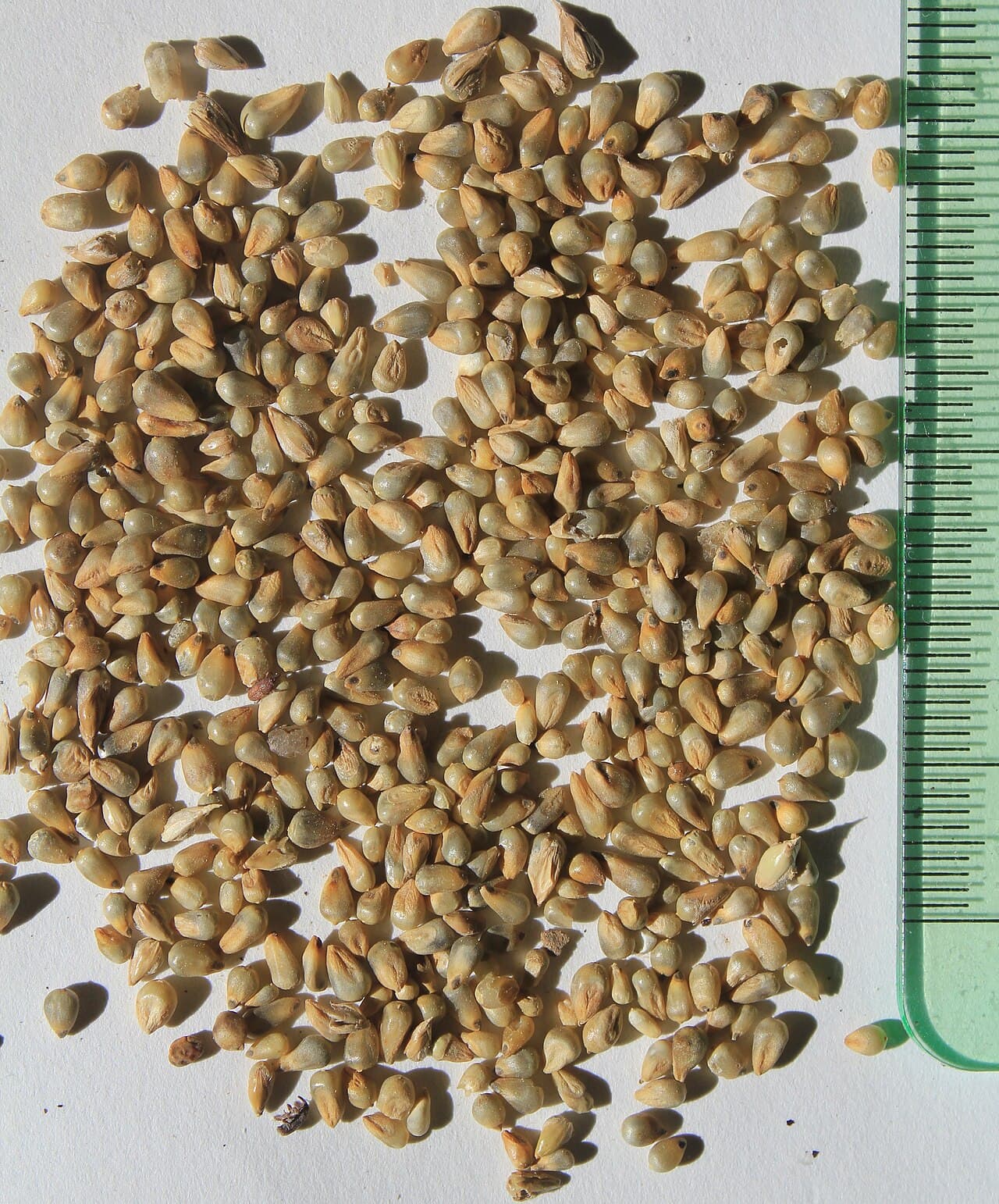
Proso Millet Chena / Barri
Panicum miliaceum
Among the most water-efficient cereal crops grown anywhere, valued in low-rainfall regions worldwide.
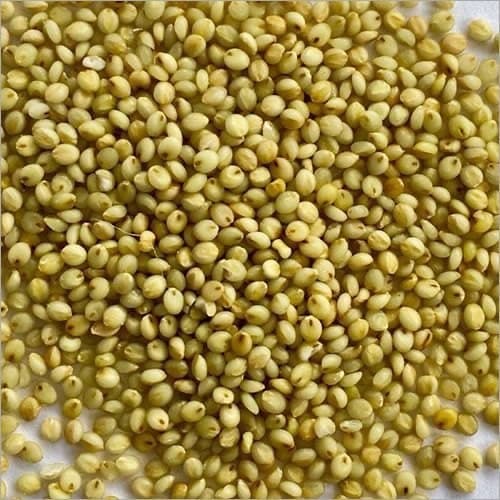
Browntop Millet Korle
Urochloa ramosa
The least-cultivated of India's nine millets, now seeing renewed interest across Karnataka's dryland belts.
Processing & Industry Intelligence
Equipment guides, scheme tracking, supplier discovery, and sourcing tools — for anyone building or buying from a millet processing unit.
Equipment Guides
De-huskers, mills, graders, and full line configurations, compared.
Coming soonSchemes Tracker
PLISMBP, PMFME, and Shree Anna Mission — deadlines and eligibility.
Explore →Supplier Directory
Verified processors, exporters, and equipment dealers across India.
Coming soonList Your Business
Free during the founding-listings window — get discovered by buyers.
Explore →Why Millets Matter
Climate-resilient, nutrient-dense, and shorter-season than almost any competing cereal.
InspirationDr Satyen Yadav — a lifelong commitment to Indian agriculture that inspires this work.
India’s Place in a Global Grain
India is the world’s largest millet producer, growing well over a third of global output across nine recognised varieties. Millets are cultivated in more than 130 countries, from West Africa’s sorghum belt to China’s proso-growing north.
The UN declared 2023 the International Year of Millets on a proposal India brought to the General Assembly — a turning point that pushed millets from a subsistence crop toward a branded export category under the government’s Shree Anna push.
- Largest producer: India, ~40%+ of world output
- 130+ countries cultivate millets
- 2023: UN International Year of Millets
- Export interest growing across UAE, USA, UK, and Nepal
Editorial standards
Every datapoint is traceable. We cite Ministry of Agriculture (DES), APEDA, ICAR-IIMR, FSSAI, MoFPI, and PIB as primary sources. Industry estimates are flagged as such; we do not present aggregator data as primary.
Articles are reviewed for currency on every substantive content review; the Last reviewed date in each article footer reflects that review pass.