Kodo Millet in India: Cultivation, Nutrition, and Storage
Among the most drought-tolerant cereals grown in India — cultivation, nutrition, and the storage precaution buyers and processors should know about.
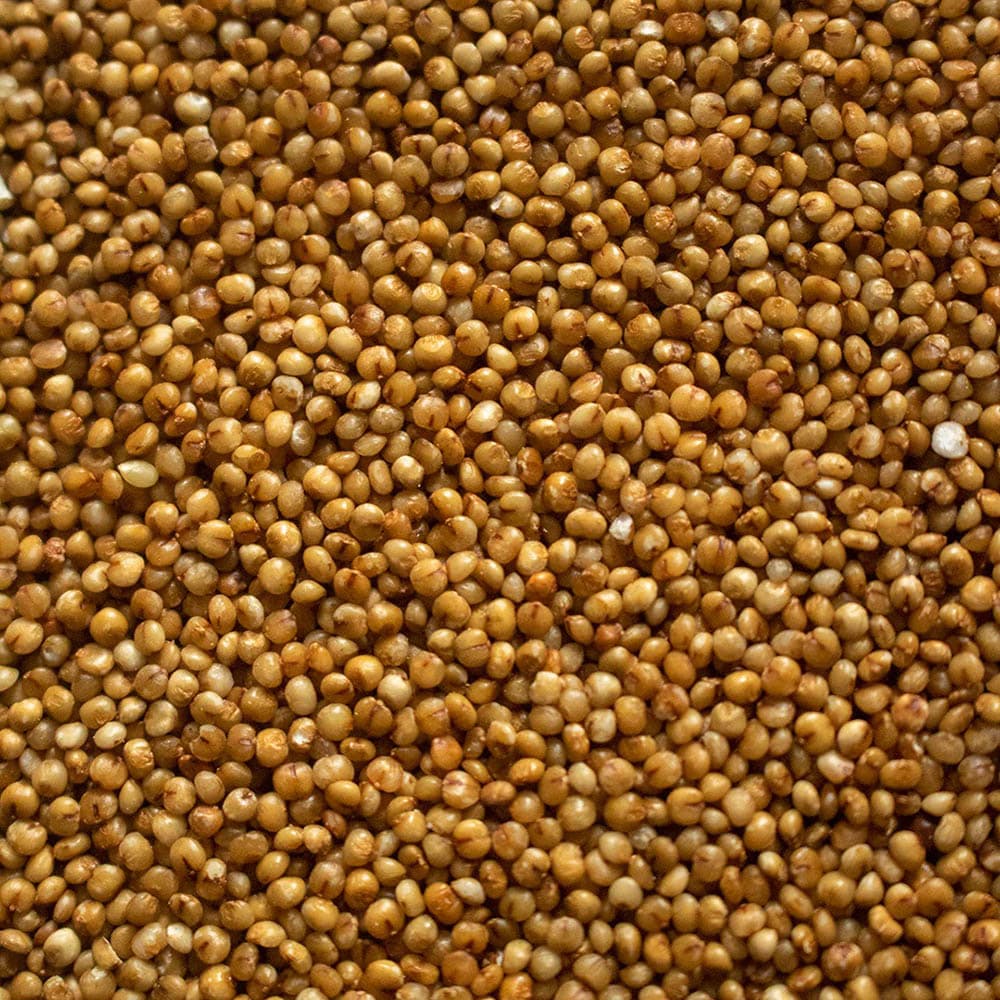
Kodo millet is among the most drought-tolerant cereals grown in India, thriving on poor, shallow soils where few other crops survive. It remains a minor millet by cultivated area, but state governments in central India have actively promoted it in recent years as part of the broader millet push.
In this article (6 sections)
At a glance
| Metric | Figure |
|---|---|
| Botanical name | Paspalum scrobiculatum |
| Local names | Kodon / Kodra (Hindi), Varagu (Tamil), Arikelu (Telugu) |
| Top producing states | Madhya Pradesh, Chhattisgarh, Karnataka, Tamil Nadu |
| Crop duration | Roughly 3–4 months |
Source: Madhya Pradesh and Chhattisgarh state agriculture department programme materials; ICAR-IIMR (agronomy context).
Where it's grown
Madhya Pradesh and Chhattisgarh are kodo millet's traditional heartland, grown widely by tribal and smallholder farmers across the Eastern Ghats and central Indian plateau; Madhya Pradesh's state government has run cash-incentive programmes specifically to expand kodo and little millet cultivation. Karnataka and Tamil Nadu also grow the crop, mainly in drier upland districts.
Cultivation
Kodo millet is exceptionally drought-tolerant and grows on soils too poor or shallow for most other cereals, which is precisely why it has persisted in low-input tribal-belt farming systems even as other crops have displaced millets elsewhere. It requires minimal external inputs and is often grown with little to no irrigation.
A storage note worth knowing
Kodo grain that is harvested wet, stored improperly, or left in the field too long after maturity is susceptible to fungal contamination that can produce a toxin causing "kodua poisoning" — a well-documented, if uncommon, food-safety issue specific to this crop. Proper drying immediately after harvest and dry storage largely eliminate the risk, and it is not a concern with grain sourced through verified, quality-checked supply chains. Buyers and processors sourcing kodo millet should confirm moisture content and storage handling as a standard part of quality verification.
Processing and products
Kodo millet is processed mainly into de-husked whole grain and flour, both used as substitutes for rice and wheat respectively in regional diets. It is also increasingly used in health-food blends given its high fibre content relative to refined cereals.
Frequently asked questions
What is kodo millet called in Indian languages?
Kodon or Kodra in Hindi, Varagu in Tamil, and Arikelu in Telugu.
Which states grow the most kodo millet?
Madhya Pradesh and Chhattisgarh are the traditional centres of kodo millet cultivation, with Karnataka and Tamil Nadu also significant producers.
Is kodo millet safe to eat?
Yes, when properly dried and stored. Improperly stored or field-aged grain can develop a fungal contamination risk specific to this crop, which is why moisture control and dry storage are standard quality checks in the supply chain.
References (2 sources)
- Madhya Pradesh & Chhattisgarh state agriculture departments — Cultivation incentive programmes and area under kodo millet.
- ICAR-Indian Institute of Millets Research — Agronomy and food-safety (storage/mycotoxin) context.
Continue reading