Little Millet in India: Cultivation and Nutrition
India's fastest-cycling minor millet — cultivation in tribal-belt intercropping systems, nutrition profile, and processing.
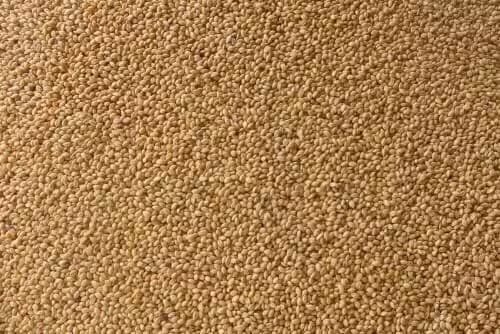
Little millet is exactly what its name suggests — the smallest-grained of India's widely grown minor millets — and one of the fastest-cycling cereals in Indian agriculture, a trait that has kept it in continuous cultivation across tribal-belt intercropping systems.
In this article (6 sections)
At a glance
| Metric | Figure |
|---|---|
| Botanical name | Panicum sumatrense |
| Local names | Kutki (Hindi), Samai (Tamil), Saame (Kannada) |
| Top producing states | Karnataka, Madhya Pradesh, Tamil Nadu, Chhattisgarh |
| Crop duration | Roughly 70–90 days |
Source: Madhya Pradesh and Chhattisgarh state agriculture department programme materials; ICAR-IIMR (agronomy context).
Where it's grown
Little millet is grown across Karnataka, Madhya Pradesh, Tamil Nadu, and Chhattisgarh, concentrated in tribal-belt districts where it is typically intercropped with pulses and other minor millets rather than grown as a standalone commercial crop. Madhya Pradesh has, alongside kodo millet, promoted little millet cultivation through state-level incentive programmes.
Cultivation
Little millet's defining agronomic trait is its very short growing cycle — as little as 70 days for some varieties — which lets farmers fit it into tight rotation windows or use it as an insurance crop against monsoon delays that would compromise longer-duration cereals. It performs reliably on marginal, low-fertility land with minimal inputs.
Nutrition profile
Little millet is a good source of dietary fibre and B vitamins, with a lower glycaemic response than polished rice, making it a common ingredient in millet-blend health foods and diabetic-friendly product lines.
Processing and products
Little millet is processed mainly into de-husked whole grain (a direct rice substitute in regional diets) and flour. Its small grain size means processing equipment specification matters — the same de-husking lines used for larger millets are typically inefficient on little millet, and dedicated small-grain processing setups are more common among specialist minor-millet processors.
Frequently asked questions
What is little millet called in Indian languages?
Kutki in Hindi, Samai in Tamil, and Saame in Kannada.
Which states grow the most little millet?
Karnataka, Madhya Pradesh, Tamil Nadu, and Chhattisgarh are the leading producers, concentrated in tribal-belt districts.
How long does little millet take to mature?
As little as 70 days for some varieties, making it one of the fastest-maturing cereals grown in India.
References (2 sources)
- Madhya Pradesh & Chhattisgarh state agriculture departments — Cultivation incentive programmes and area under little millet.
- ICAR-Indian Institute of Millets Research — Agronomy and nutrition context.
Continue reading