Proso Millet (Chena) in India: Cultivation and Nutrition
One of the most water-efficient cereal crops grown anywhere — cultivation across northern India's drier tracts, protein content, and processing.
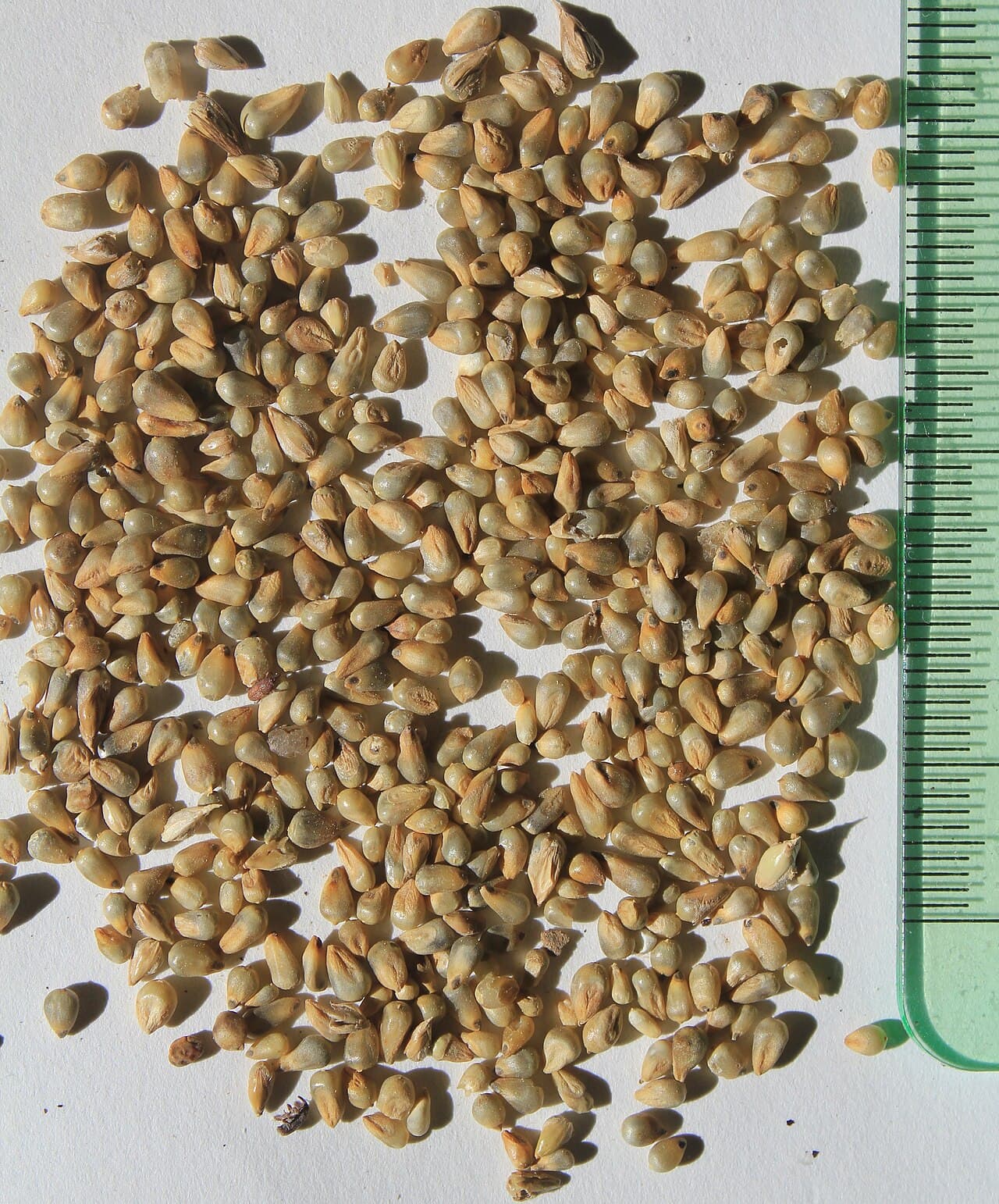
Proso millet is among the most water-efficient cereal crops grown anywhere, a trait that has made it a staple of low-rainfall agriculture across several continents — including the drier tracts of northern India where it is cultivated today.
In this article (6 sections)
At a glance
| Metric | Figure |
|---|---|
| Botanical name | Panicum miliaceum |
| Local names | Chena / Barri (Hindi), Baragu (Kannada), Pani varagu (Tamil) |
| Top producing states | Uttar Pradesh, Punjab, Haryana, Madhya Pradesh |
| Protein content | ~12.5 g / 100 g — among the highest of the millets |
Source: State agriculture department crop profiles (Uttar Pradesh, Punjab, Haryana); ICAR-IIMR (nutrition data).
Where it's grown
Proso millet is cultivated across Uttar Pradesh, Punjab, Haryana, and Madhya Pradesh, generally in the drier cultivation zones of the northern plains where its low water requirement is a genuine agronomic advantage over alternative cereals.
Cultivation
Proso millet's core trait is water efficiency — it requires markedly less water than most cereal crops to complete its lifecycle, and combines this with a short growing season, making it a practical option for regions with limited or unreliable irrigation. It performs well on light, well-drained soils and tolerates heat stress better than most staple cereals.
Nutrition profile
Along with foxtail millet, proso millet carries one of the higher protein contents among commonly cultivated millets — approximately 12.5 g per 100 g — as well as meaningful B-vitamin content and dietary fibre, with a glycaemic profile favourable relative to refined cereals.
Processing and products
Proso millet is processed mainly into de-husked whole grain and flour, both used as substitutes for rice and wheat respectively. It's increasingly incorporated into multi-grain and health-mix products aimed at capturing its protein advantage over more common cereal grains.
Frequently asked questions
What is proso millet called in Indian languages?
Chena or Barri in Hindi, Baragu in Kannada, and Pani varagu in Tamil.
Which states grow the most proso millet in India?
Uttar Pradesh, Punjab, Haryana, and Madhya Pradesh are the main cultivation zones.
Why is proso millet considered water-efficient?
It requires markedly less water to complete its growth cycle than most cereal crops, and combines this with a short growing season — a combination that makes it well suited to low-rainfall, limited-irrigation regions.
References (2 sources)
- State agriculture department crop profiles (Uttar Pradesh, Punjab, Haryana) — Cultivation zones and area under proso millet.
- ICAR-Indian Institute of Millets Research — Agronomy and nutrition context.
Continue reading