Why Global Demand for Millet Flour Is Rising
Gluten-free demand and government promotion are pulling millet flour into new categories worldwide. Where India fits into that growth.
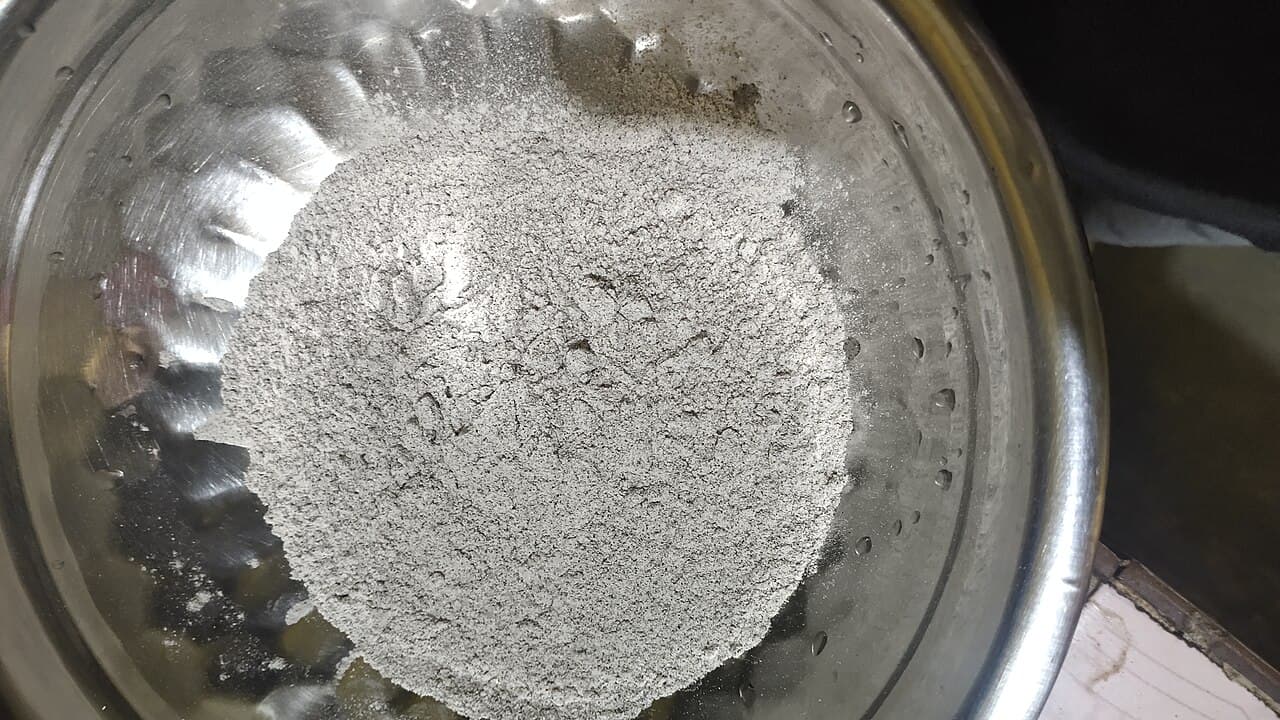
Millet flour used to be a niche health-food item. Today it's turning up in mainstream bakery aisles, infant food formulations, and beverage products around the world. That shift didn't happen on its own — it's the result of three things landing at roughly the same time: a consumer move toward gluten-free eating, a wave of government promotion that reaches well beyond India, and food companies finding genuinely new uses for millet flour beyond the traditional flatbread.
India sits at the center of the supply side of this story. It's the world's largest millet producer, supplying an estimated 40%+ of global output. But being the biggest producer doesn't automatically mean capturing the biggest share of the new demand — and that gap, between how much India grows and how much it actually exports through proper channels, is both the opportunity and the risk for Indian processors right now.
This piece walks through what's actually driving the demand growth, where India's advantage is real versus where it's still unrealized, and what "global demand is rising" should mean in practice for someone deciding where to put processing or export capacity.
In this article (6 sections)
Gluten-free demand is broadening the market
Millets are naturally gluten-free, which used to matter mainly to people with celiac disease or a diagnosed gluten sensitivity — a fairly small, well-defined group. That's no longer the whole market. Gluten-free eating has grown into a much broader wellness-driven trend, with plenty of buyers choosing gluten-free products for general health reasons rather than a medical one.
That broader base changes the competitive picture. Millet flour isn't just competing for space with other gluten-free staples like rice flour and almond flour — it's competing on taste and texture, since a bigger, less specialist audience is pickier about how a product actually eats. Millet flour's advantage here is a more neutral, grain-forward flavor than some alternatives, which makes it easier to use across more product types without the flavor taking over. That's a genuine product advantage, not just a marketing angle, and it's part of why millet flour has moved from a specialty aisle into mainstream formulations.
Government promotion is a global story, not just India's
India's own push — the Shree Anna Mission and the broader momentum around the 2023 International Year of Millets (IYM 2023) — is the most visible piece of this, and it's easy to assume the whole demand story is India-driven policy spilling outward. It isn't. Several African nations with their own long-standing sorghum and pearl millet cultivation, plus a handful of Southeast Asian markets, have built their own nutrition and food-security messaging around millets in the same window, independent of India's campaign.
That matters for how processors should read the demand signal. It means millet promotion isn't a single country's marketing effort that could lose momentum if one government's priorities shift — it's multiple governments arriving at similar conclusions about millets' nutritional and food-security value at roughly the same time. A demand driver backed by several independent policy pushes is a sturdier bet than one resting on a single country's program.
New commercial categories are stacking demand on top of each other
Millet flour's traditional use case — flatbreads — hasn't gone away, but it's no longer the only one doing the work. The flour has expanded into bakery products, infant food formulations, and beverage bases, and each of those is a genuinely distinct commercial category with its own quality standards and processing requirements, not just a rebrand of the same flour into a new package.
That distinction is worth sitting with. Infant food formulations demand a different, tighter quality and safety standard than a bakery mix does. A beverage base needs different particle size and solubility characteristics than either. Each new use case adds incremental demand on top of traditional consumption rather than replacing it, which is part of why the overall demand curve looks steeper than any single driver alone would explain. For a processor, it also means each new category is really a separate line of business with its own spec sheet — not one generic "millet flour" product sold three ways.
Where India fits — and where the real gap is
India's 40%+ share of global millet production is a genuine structural advantage; no other country grows anywhere close to that volume. But supply share and export capture are two different things, and conflating them is the most common mistake in reading this opportunity. A large share of India's millet output is still consumed domestically or moves through informal, undocumented trade channels — not through the APEDA-registered export pipeline that international buyers actually need to transact through.
That gap is exactly where the opportunity sits for Indian processors and exporters. Global demand rising doesn't automatically translate into Indian export revenue rising at the same rate; it translates into revenue for whichever producing country has the certified, documented supply chain ready to meet it. Building that — APEDA registration, a Central FSSAI license, and consistent compliance with quality standards — is the practical work behind capturing demand that's already there, rather than watching it go to producing countries with more established export infrastructure.
What "rising demand" actually means for a processor's decisions
"Global demand is rising" is true, but it's not a specific enough fact to plan a business around. The more useful question is which specific product form and which specific market that demand is concentrated in, because those are genuinely different opportunities with different requirements. Bakery-grade millet flour bound for a European specialty retailer needs different quality control, packaging, and certification than bulk flour sold to a domestic Indian institutional buyer.
Treating "global millet flour demand" as one undifferentiated opportunity — rather than a set of distinct product-market combinations, each with its own buyer, spec, and compliance bar — is a common and costly planning mistake. A processor deciding where to invest is better served picking one of those combinations, understanding its specific requirements in detail, and building toward that, than chasing the demand headline in general.
Frequently asked questions
What share of global millet production does India supply?
Over 40%, making India the largest single producer — though not necessarily the largest exporter relative to that production share, since much of it is consumed domestically.
Is millet flour demand growing outside India?
Yes. Gluten-free demand and government nutrition promotion in several African and Southeast Asian markets are contributing alongside India's own domestic and export-focused push.
What new uses are driving demand beyond traditional flatbreads?
Bakery products, infant food formulations, and beverage bases are the three expanding commercial categories, each with its own quality and processing requirements distinct from traditional millet flatbread use.
What does an Indian exporter need to capture this demand?
APEDA registration, a Central FSSAI license for export operations, and consistent compliance with the FSSAI Group Standard for Millets are the baseline requirements — see the buyer's guide to sourcing from India for the buyer-side view of the same requirements.
References (2 sources)
- Market-size and demand-driver estimates aggregated from multiple industry research firms — Treated as estimates, not verified primary data, and flagged as such in the article.
- APEDA export registration framework — The registration structure underlying India's millet flour export supply chain.
Continue reading