Millet-Based Snacks: The Commercial Opportunity in India
Extrusion, flaking, and puffing turn a commodity grain into a branded, higher-margin product — and PLISMBP is built specifically around this category.
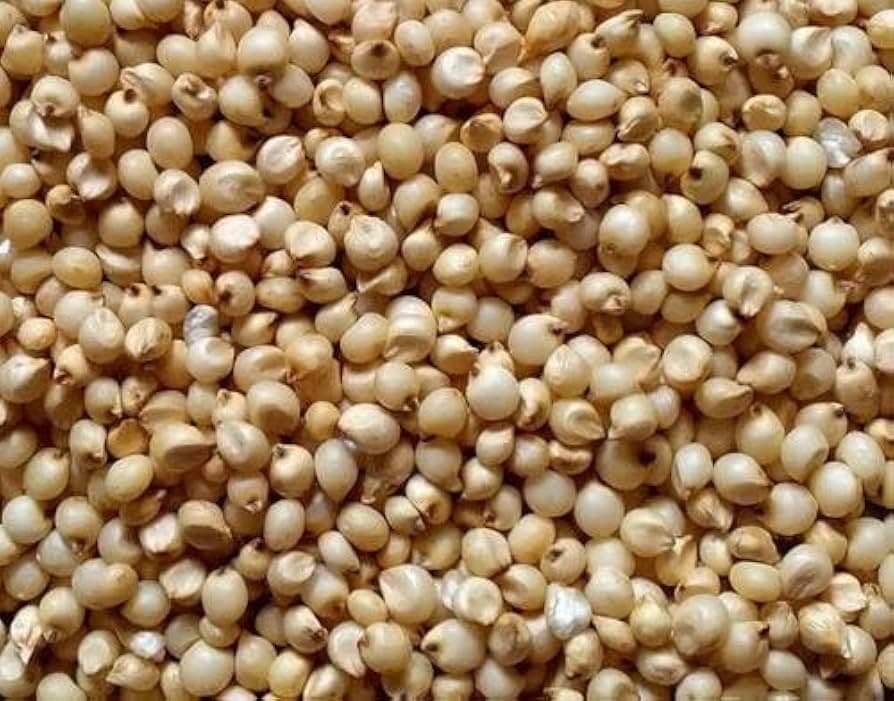
Of all the value-added product categories built on millets, snacks are where the commercial momentum is most visible. Mainstream FMCG brands have entered the space, PLISMBP has approved multiple snack-focused applicants, and the underlying economics are genuinely more attractive than commodity grain trading. This is what a prospective entrant needs to understand before committing capital — the margin logic, the three processing routes, what the government's flagship incentive scheme actually requires, and what to size up before spending on equipment.
In this article (6 sections)
Who's already moving into the category
The fact that mainstream FMCG brands — not just health-food specialists — have started entering millet snacks is itself useful information for a prospective entrant. Large food companies don't move into a category casually. They run their own market sizing before committing shelf space and marketing budget, so their entry is a signal that the demand side of this opportunity is real, not just a policy talking point. The same signal shows up on the incentive side: PLISMBP has approved multiple applicants specifically for snack-focused proposals, which means the scheme's administrators have already seen and accepted a number of business plans built around exactly this category.
That's good news and a caution in the same breath. It confirms the opportunity is genuine — but it also means a new entrant isn't moving into empty space. Competing against brands with existing distribution and marketing budgets is a different challenge than being early to an unproven category. The economics still favour a new entrant with a clear plan, but "the category is validated" and "the category is easy to enter" are two different claims, and only the first one is actually true here.
Why snacks specifically
Raw or lightly processed millet grain is a low-margin commodity. Its price tracks the grain market, and there's little a seller can do to differentiate one bag of millet from another. Turning that same grain into a branded extruded, flaked, or puffed snack changes the economics substantially. Industry estimates place gross margins on processed millet snack SKUs meaningfully higher than on flour or whole-grain sales, for a simple reason: the product is now competing on brand and convenience, not on grain price. A shopper choosing between two packets of millet chips is weighing taste, packaging, and trust in the brand — not comparing the wholesale cost of sorghum that week.
This is also the core logic behind why nearly every millet-focused government incentive scheme, PLISMBP most directly, is structured around branded packaged products rather than raw grain trade. Policymakers want the value-add — and the jobs and capital investment that come with it — to happen inside India, not to export the grain and let someone else capture the margin downstream.
The three processing routes
Extrusion produces the puffed, often savoury snack formats most familiar to consumers — think puffed sorghum or millet-based "chips" categories. Extrusion units typically sit in the ₹50 lakh–2 crore capex range and are the most PLISMBP-relevant of the three routes, since extruded ready-to-eat snacks fall cleanly within the scheme's eligible product categories.
Flaking produces a poha-style flake product. It's positioned primarily as a breakfast or light-meal category rather than a snack in the western sense, though the processing economics and equipment overlap significantly with snack production lines — a business considering flaking is often only a modest equipment step away from also running an extrusion line.
Puffing, distinct from extrusion, produces a lighter, air-expanded product more directly comparable to puffed rice. It carries lower capex than extrusion but covers a narrower product range, which makes it a lower-risk entry point but also a lower-ceiling one.
What PLISMBP actually requires here
This matters enough to state plainly: PLISMBP explicitly excludes primary-processed millet — de-husked or polished grain, or plain flour and atta — from eligibility. Only branded, packaged ready-to-eat or ready-to-cook products meeting the scheme's minimum millet-content threshold qualify. That threshold is generally 15%, though category-specific floors run higher for some product types, so the exact number depends on what's actually being made.
The distinction that trips people up most is branding. A snack business built purely around white-label extrusion for other brands — making the product, but never putting its own name on the package — will not qualify for PLISMBP incentives, even if the underlying processing is identical to a business that does qualify. The scheme is rewarding the branded, packaged end product, not the processing capability itself. Anyone building a business plan around PLISMBP eligibility needs to decide early whether the strategy is a branded product line or contract manufacturing for others, because only one of those paths carries the incentive.
What a new entrant should actually size up first
Before evaluating equipment, a realistic new entrant should have clarity on three things. First, a confirmed offtake channel — direct retail, modern trade, or a private-label contract — not just "we'll figure out distribution" once the product exists. Second, the specific millet-content and category thresholds that apply, if PLISMBP eligibility is part of the business case, since the generic 15% figure isn't the final word for every product type. Third, a genuine cost comparison between building extrusion capacity in-house versus contract-manufacturing through an existing PLISMBP-eligible line, since the latter can get a branded product to market faster with less capital at risk.
The equipment capex is often the easiest part of this plan to underwrite — vendors quote it, banks understand it, and it's a known, bounded number. Distribution is usually the harder problem, and it's the one that determines whether the margin advantage snacks offer over commodity grain actually shows up on the bottom line.
Frequently asked questions
What's the typical capex for a millet snack extrusion unit?
Roughly ₹50 lakh to ₹2 crore, depending on throughput and automation level — this sits at the mid-commercial to industrial capacity tier.
Does PLISMBP support millet snack manufacturing?
Yes, for branded packaged products meeting the scheme's millet-content threshold — but not for unbranded contract extrusion or primary-processed grain, which are explicitly excluded.
What's the difference between extrusion and puffing for millet snacks?
Extrusion uses heat and pressure to shape and cook the product in one step, producing a wider range of textures and shapes. Puffing is a simpler air-expansion process, lower in capex but more limited in product range.
Why are margins better on processed snacks than on raw millet?
Raw grain competes on commodity price. A branded processed snack competes on brand, taste, and convenience instead — which is why industry estimates put gross margins on snack SKUs meaningfully above flour or whole-grain sales.
References (2 sources)
- MoFPI PLISMBP operational guidelines — Product-category eligibility and millet-content thresholds that define which snack formats qualify.
- IndiaMillets vendor-quote survey, 2026 — Indicative capex bands for extrusion, flaking, and puffing lines.
Continue reading